Wild Call Coffee

Fruit Market 🍓 - Carbonic Maceration Mosto - Pink Bourbon

Fruit Market 🍓 - Carbonic Maceration Mosto - Pink Bourbon

Vanlig pris 100,00 NOK
Vanlig pris Salgspris 100,00 NOK
Salg Utsolgt
Inkludert avgifter.
Antall

Competition-level coffee that's not in a competition.

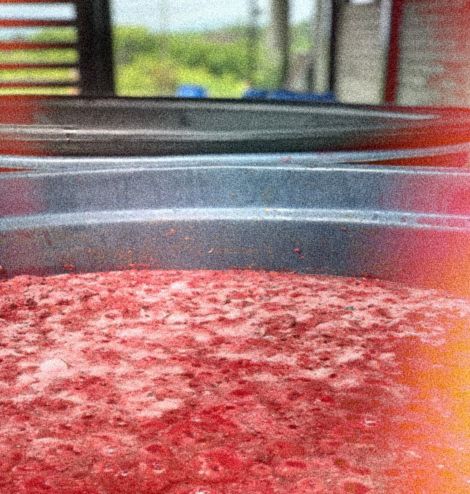
Not the natural wild yeasts that show up during fermentation. Actual Saccharomyces cerevisiae, the stuff used to make wine. Added intentionally, along with amino acids and glucose, to the fermented cherry juice called Mosto.

Edwin Noreña is a Cup of Excellence judge. That means he's literally one of the people who evaluates and scores Colombia's top competition coffees. He's been in specialty coffee for over 20 years, Q-Grader (kind of simliar to sommelier), Q-Processor, consultant for some of Colombia's best farms.

This Pink Bourbon went through 96 hours of carbonic maceration, then got depulped and went back into tanks for another 48 hours with wine yeast, amino acids, and glucose in the fermented cherry juice.

Total: 144 hours of controlled, multi-stage fermentation before it even finished drying.

The result is what happens when someone who judges competition coffee decides to get experimental on their own farm. It's calculated, it's layered, and it's the kind of complex that only comes from knowing exactly what each ingredient contributes.

What's in the cup🍓

Red fruits, florals, tamarind, vanilla, cocoa, licorice.

The red fruits show up first, delicate, and fruit forward. Then florals. Then tamarind and vanilla start doing their thing. Mid-palate brings cocoa and licorice, adding depth and complexity. The acidity is citric but medium-low, balanced. The body is creamy with full mouth sensation.

The finish is floral and persistent, the wine yeast and amino acids making their presence known without overwhelming the coffee's natural character.

Perfect for: People who understand that wine yeast + amino acids + double fermentation = interesting territory. Anyone who's tried Pink Bourbons and wants to see what the variety can do with serious processing. Coffee nerds who appreciate when expertise meets experimentation.

Details and Process 

  • Origin: Quindío, Colombia (Circasia)
  • Farm: Campo Hermoso (10 hectares)
  • Producer: Edwin Noreña 
  • Variety: Pink Bourbon
  • Process: Double fermentation natural (96hr carbonic maceration + 48hr anaerobic with wine yeast)
  • Altitude: 1,750 masl

The double fermentation:

First stage: 96 hours of carbonic maceration. This is a technique borrowed from winemaking, whole cherries get sealed in tanks with CO2 pumped in, pushing out all the oxygen. It's the same method used for making Beaujolais Nouveau wines, where fermentation happens inside the intact fruit before any crushing.

Without oxygen, the cherries start fermenting from the inside out. The CO2 environment triggers intracellular fermentation, basically, the cells start breaking down their own sugars and creating different flavor compounds than they would in normal fermentation. The bean temperature increases, the pores open up, and you start developing the kind of complex fruity and floral flavors that are hard to get any other way.

After 96 hours of this, the coffee gets depulped and goes back into tanks for round two.

Second stage: 48 hours anaerobic with recirculated mosto (the fermented fruit juice from the cherries). But Edwin doesn't just use plain mosto. This batch contains:

  • Wine yeast (Saccharomyces cerevisiae - the same stuff used in winemaking)
  • Amino acids
  • Glucose

The mosto gets collected and recirculated from the top throughout fermentation, ensuring even distribution and consistent contact with the beans. The wine yeast does its thing, creating more complexity and those persistent floral notes. The amino acids feed the fermentation, helping develop body and mouthfeel.

Total fermentation time: 144 hours. Six full days.

Most natural coffees ferment for 24-48 hours total. This one went through nearly a week of multi-stage, yeast-inoculated fermentation designed by someone who literally judges competition coffee for a living.

Why Pink Bourbon:

Pink Bourbon is a rare variety, a natural mutation that produces pink cherries instead of red or yellow. It's expressive, complex, and responds incredibly well to experimental processing.

Edwin chose it specifically for this double fermentation because the variety's natural characteristics (floral, fruity, delicate) would be enhanced by the wine yeast and extended fermentation rather than overwhelmed by it.

Judging by how the florals and fruit layers developed, he was right :). 

How we're roasting it 

Light roast to highlight Pink Bourbon's natural character while letting all that fermentation work shine through. The florals need protection from too much heat, but the wine yeast fermentation created depth that needs proper development.

We've tested this multiple times to find the roast profile that shows what double fermentation with wine yeast does to a rare variety.

About the farm 

Campo Hermoso, Quindío - 1,750 masl

Edwin Noreña judges Cup of Excellence competitions in Colombia. That means he's literally one of the people who decides what competition-level coffee is. He tastes the country's best coffees, scores them, and knows exactly what separates them. So when he produces coffee on his own 10-hectare farm, that's competition territory. 

Campo Hermoso has been in his family since he was a kid. After spending 10+ years consulting for other top Colombian farms, he turned his attention back to his own land in 2020. That's when he started running the kind of experiments you can only do when it's your own farm and you're not worried about proving anything to anyone.

Why this matters:

Most people doing experimental processing are trying to figure it out as they go. Edwin already knows what works, he's been evaluating competition coffee for years. When he does double fermentation with wine yeast, it's not a hopeful experiment. It's applying 20+ years of knowledge to create something specific.

Pink Bourbon is already a rare variety. At 1,750 masl with proper processing infrastructure, it has everything it needs to develop complexity. Add carbonic maceration borrowed from winemaking, then wine yeast fermentation with amino acids, and you get coffee that tastes like it was designed rather than discovered.

Because it was.

This is competition-level coffee that's not in a competition. It's just what happens when a COE judge decides to get serious about his own farm.

Vis alle detaljer